Help customers, visitors, staff, and guests find the right place with custom indoor directional and wayfinding signage designed, produced, and installed by the experts at NW Sign Solutions.
Indoor wayfinding signs are a strategic system that reduces confusion, enhances navigation, and reinforces your brand’s professionalism throughout your facility.





What Are Indoor Wayfinding Signs?
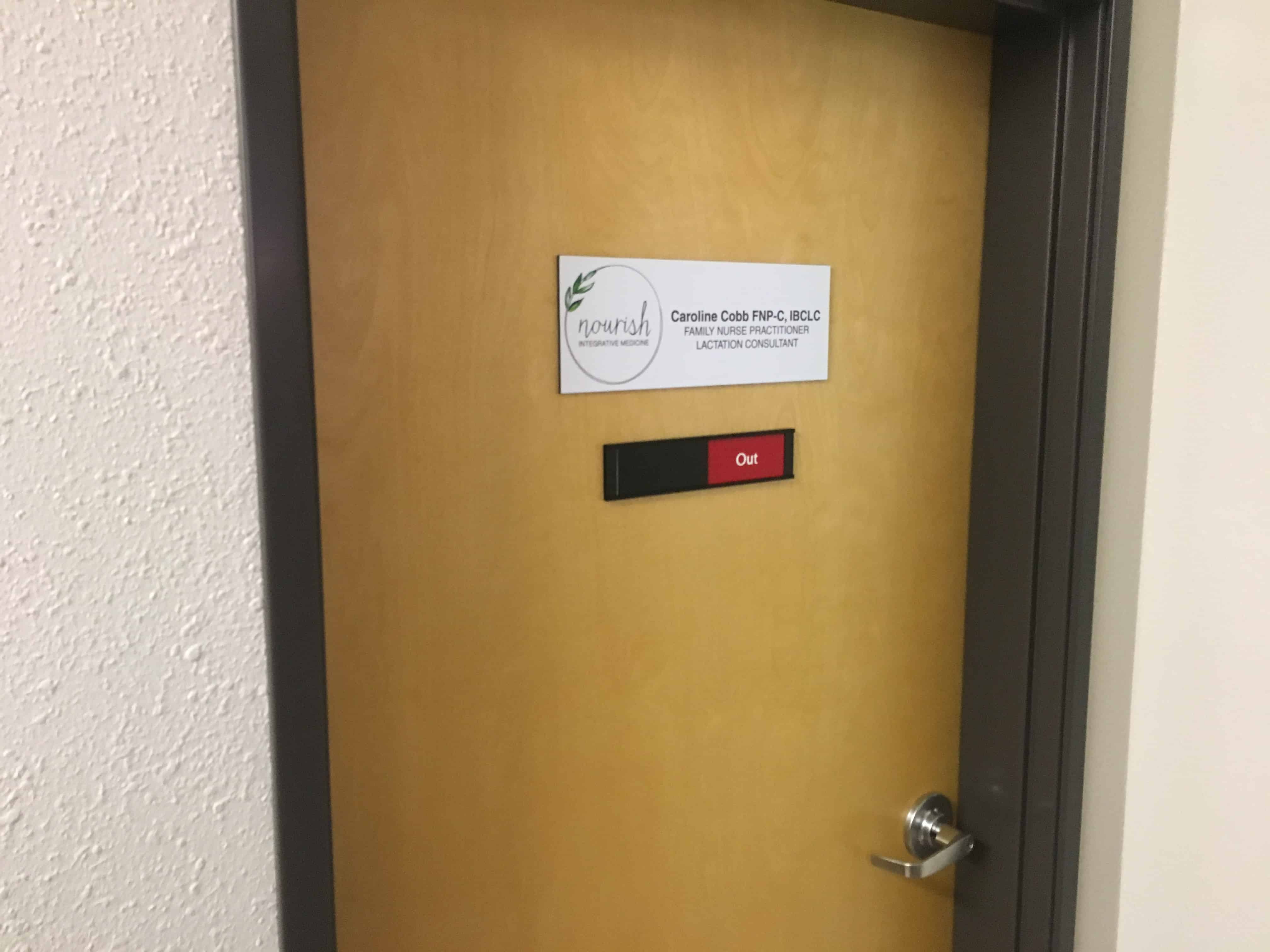
Indoor wayfinding and directional signs are custom signs installed inside buildings (offices, medical facilities, retail centers, schools, hotels, gyms, and corporate campuses) that guide people from entry points to their destination with clarity and ease. These signs include hallway directional markers, door plaques, room identifiers, floor maps, arrows, and informational directories tailored to your space.
Why Indoor Wayfinding Matters
Efficient navigation improves experience. Clear wayfinding signage helps reduce visitor frustration, shorten search times, and improve flow through your building, whether someone is finding a meeting room, restroom, elevator, office suite, or event hall.
Enhances safety and accessibility. Properly planned signage supports ADA compliance — including braille and high-contrast graphics — and ensures people of all abilities can navigate with confidence.
Reinforces your brand identity. Wayfinding signs are often one of the first impressions visitors get inside your space. With custom design and durable materials, your signage supports your brand’s look and feel throughout the interior.
Common Indoor Wayfinding Signs We Create
At NW Sign Solutions, we design and fabricate a wide range of indoor directional signage, including:
- Directional arrows and hallway signs pointing toward key destinations.
- Room and office identifiers that clearly label departments and spaces.
- Directory boards and floor maps that provide an overview of your layout at critical decision points.
- ADA-compliant signs with tactile lettering, braille, and accessible design.
- Mounted & suspended signage tailored to hallway width, ceiling height, and interior architecture.
Design & Placement That Works
Effective indoor wayfinding includes thoughtful placement, consistent design, and clear messaging:
- Strategic sign placement at decision points (intersections, elevator banks, corridors) so people see guidance when they need it.
- Clear visual hierarchy with bold typography and contrast for quick recognition.
- Simple, universal symbols paired with text to bridge language barriers and improve readability.
- Consistent design system that aligns color, icons, and fonts across your space.
Materials Built for Interior Excellence
Whether you want a sleek modern aesthetic or a more traditional look, we offer materials and finishes suited for indoor environments:
- Acrylic, metal, and brushed aluminum are polished and professional.
- PVC or foam board — lightweight and versatile.
- Vinyl graphics for walls and glass integrates wayfinding with décor.
- ADA-ready substrates with tactile and braille elements.
Our Process From Concept to Installation
- Consultation: We assess your space and objectives, identifying key navigation challenges.
- Design: Our in-house designers create custom, brand-aligned signage concepts for review.
- Fabrication: Using durable materials and precision equipment, we produce signs built to last.
- Professional Installation: Our installation team ensures signs are placed accurately and securely, maximizing visibility and impact.
Why Choose NW Sign Solutions
As a local Vancouver, WA sign company, we pair creative design with practical, functional signage solutions, all tailored to the unique flow of your interior space. Since 2007, we’ve partnered with schools, offices, medical facilities, retail centers, and more to make navigation effortless and intuitive for everyone who walks through your doors.
Make your interior easier to navigate and more professional with indoor directional and wayfinding signage tailored to your needs. Contact NW Sign Solutions today for a consultation and quote.
Indoor Directional & Wayfinding Signs FAQs
What are indoor directional or wayfinding signs?
Indoor directional or wayfinding signs are signs installed inside a building to guide people to specific locations, such as offices, restrooms, elevators, departments, or exits. They use text, arrows, symbols, or maps to help visitors navigate a space efficiently and confidently.
What types of buildings need indoor wayfinding signs?
Indoor wayfinding signs are commonly used in offices, medical facilities, hospitals, schools, retail centers, warehouses, hotels, government buildings, and multi-tenant properties. Any building with multiple rooms, corridors, or floors benefits from clear interior navigation signage.
Are indoor wayfinding signs required to be ADA compliant?
Many indoor directional signs must meet ADA (Americans with Disabilities Act) requirements, especially room identification signs. ADA-compliant signs typically include tactile lettering, braille, proper mounting height, and sufficient color contrast to ensure accessibility for people with visual impairments.
What is the difference between directional signs and wayfinding signs?
Directional signs usually provide simple guidance, such as arrows pointing to specific locations. Wayfinding signs are part of a broader system that includes directories, room identifiers, maps, and visual cues designed to help people understand and navigate an entire space.
Where should indoor directional signs be placed?
Indoor directional signs are most effective when placed at key decision points, such as entrances, hallway intersections, elevator lobbies, stairwells, and corridor transitions. Proper placement ensures people receive guidance exactly when they need it.
What materials are best for indoor wayfinding signs?
Common materials for indoor wayfinding signs include acrylic, aluminum, PVC, foam board, vinyl graphics, and ADA-approved substrates. The best material depends on durability needs, aesthetics, mounting method, and whether tactile or braille elements are required.
Can indoor wayfinding signs be customized to match a brand?
Yes. Indoor wayfinding signs can be fully customized to match brand colors, typography, logos, and interior design. A consistent visual system helps reinforce brand identity while making navigation intuitive and professional.
How do indoor wayfinding signs improve customer experience?
Clear indoor wayfinding signs reduce confusion, minimize delays, and help visitors feel comfortable and confident in a space. This leads to smoother traffic flow, fewer interruptions for staff, and a more positive overall experience.
Do indoor directional signs help with safety?
Yes. Indoor directional signs support safety by clearly identifying exits, stairwells, restricted areas, and emergency routes. Proper signage helps occupants move quickly and calmly during normal operations and emergency situations.
How long does it take to design and install indoor wayfinding signs?
The timeline depends on the size of the facility and complexity of the signage system. Most indoor wayfinding projects include consultation, design, fabrication, and installation, which can range from a few weeks to several weeks for larger buildings.
Let us help create your perfect first impression!
Get in Touch